Pool and Hot-Tub Inspections When Buying a Home
A Canadian buyer's system map for assessing pools, spas, barriers, structure, water loss, pumps, filtration, heating, electrical, gas, drainage, winter risk, permits, insurance, and safe ownership cost.
Pool and Hot-Tub Inspections When Buying a Home in Canada
A pool or hot tub is a structure, water vessel, circulation plant, electrical installation, fuel appliance, drainage system, safety enclosure, seasonal maintenance program, and insurance exposure. Clear water during a showing does not prove the shell, piping, heater, wiring, barrier, or winterization is sound.
Buyers should retain qualified pool, electrical, gas, structural, and other specialists as the property requires. A general home inspection may note visible conditions but often excludes technical pool operation and concealed lines.
The decision file should show what is owned, permitted, operational, safe, repairable, insurable, and affordable through a full Canadian season.
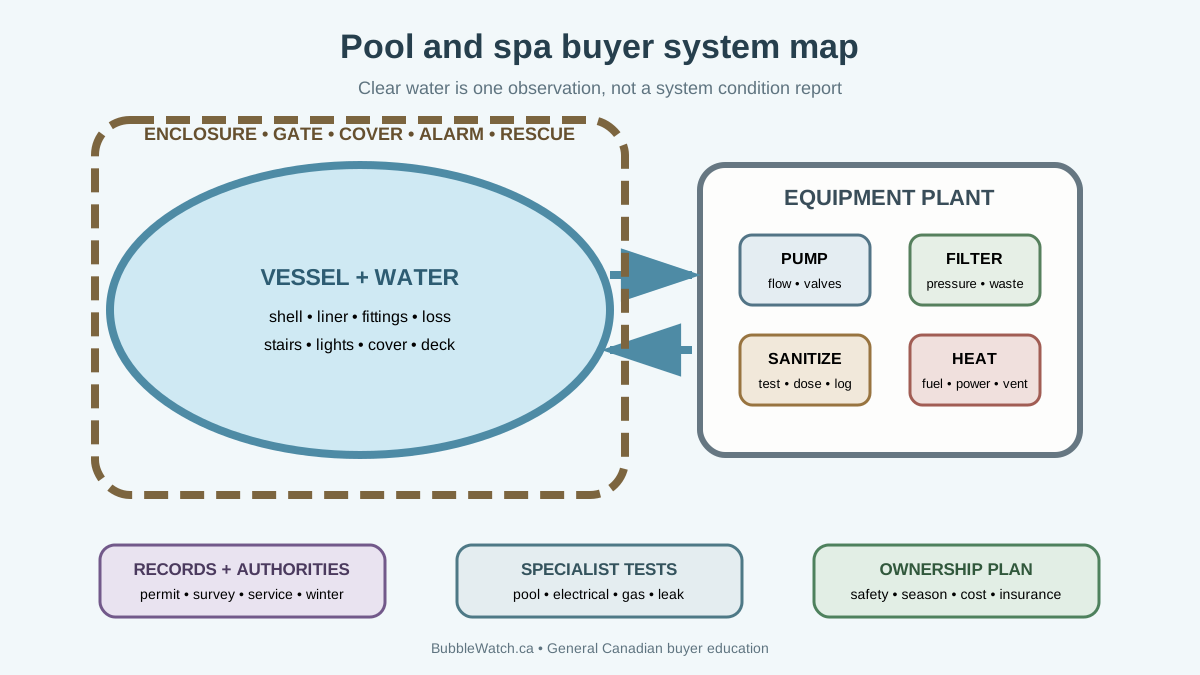
Short answer: inspect the water, vessel, plant, enclosure, and site
Complete ten linked checks:
- inventory every pool, spa, cover, building, and accessory;
- obtain permits, drawings, invoices, manuals, service, and winter records;
- inspect the vessel, deck, coping, support, and surrounding ground;
- verify the full safety enclosure, gates, covers, alarms, and rescue equipment;
- operate circulation, filtration, sanitation, controls, and cleaning equipment safely;
- retain authorized electrical and fuel professionals;
- check piping, water loss, drainage, discharge, and freeze exposure;
- price repairs, removal, restoration, and seasonal operation;
- confirm insurance, survey, easement, condo, and rental consequences;
- write the purchase terms around actual testing and seasonal limits.
Do not enter water, remove secured covers, open live electrical panels, start winterized equipment, or operate unknown gas appliances during a casual visit.
Inventory the entire installation
Create a schedule:
| ID | Type | Construction | Approximate year evidence | Volume/dimensions | Equipment area | Seasonal status |
|---|---|---|---|---|---|---|
| P-01 |
Include:
- in-ground, above-ground, on-ground, plunge, lap, swim spa, and hot tub;
- liner, fibreglass, concrete, tile, vinyl, acrylic, or other vessel;
- pumps, filters, sanitizer, feeder, salt system, ultraviolet or ozone equipment;
- heater, heat pump, solar heat, boiler interface, and gas line;
- skimmers, returns, drains, jets, vacuum, cleaner, autofill, and water features;
- covers, rollers, safety cover anchors, winter plugs, and storage;
- fence, wall, gates, doors, alarms, lighting, rescue gear, and signs;
- decks, coping, stairs, ladders, rails, diving boards, slides, covers, sheds, and cabanas;
- drainage, backwash, discharge, sump, and winterization points;
- electrical panels, disconnects, bonding, receptacles, lighting, controls, and automation.
Identify which items are fixtures, chattels, rented equipment, or seller-owned accessories in the purchase agreement.
Understand inspection limits
The federal home-inspection guidance advises buyers to read the inspector's written scope and exclusions. Pools and spas often require a separate service.
A general inspection may observe the enclosure, deck, visible vessel, equipment, or hazards. It normally cannot pressure-test buried lines, inspect a winterized system internally, certify electrical bonding, perform combustion analysis, assess water chemistry over time, prove leak absence, or predict shell life.
Ask the pool inspector:
- which vessel, equipment, lines, features, and safety components are included;
- whether water must be open, filled, clean, and at operating level;
- what seasonal temperature limits apply;
- which pressure, dye, acoustic, camera, or other leak methods are offered;
- whether electrical, gas, structural, and fence compliance are separate;
- how long equipment operates and which readings are taken;
- what remains inaccessible or winterized;
- whether a return visit is available after opening.
Reconstruct permits and work history
Request:
- site plan, survey, zoning, building, electrical, gas, plumbing, and enclosure permits;
- approved drawings and final inspections;
- installation invoice and construction photographs;
- vessel, liner, shell, coping, deck, and equipment specifications;
- later replacement and repair invoices;
- winter opening and closing records;
- leak investigations and water-addition history;
- chemical and equipment service logs;
- safety-cover and fence records;
- claims, injuries, drainage complaints, and neighbour disputes;
- warranties and transferable registrations;
- rental or financing agreements.
Local requirements differ. Toronto's current pool-enclosure guidance requires an enclosure and describes permit, gate, height, opening, visibility, and setback rules for that city. Use it as an example of local specificity, not a national rule.
Ask the actual municipality which approvals and inspections apply to the address. A permit for the fence does not certify the pool shell, electrical, heater, or every later alteration.
Inspect the safety enclosure first
Health Canada's current swimming-safety guidance recommends a fence around the pool, a self-closing and self-latching gate, locked access, removal of climbable objects, lifesaving equipment, first-aid supplies, and close supervision.
Walk the full perimeter and record:
- continuous enclosure, height, openings, damage, and climbable features;
- gate swing, hinges, self-closing action, latch, lock, alignment, and ground clearance;
- house doors or windows opening into the pool area;
- neighbouring gates, retaining walls, sheds, decks, trees, furniture, equipment, and grades affecting access;
- erosion, frost heave, loose posts, corrosion, rot, and vegetation;
- pool-cover condition, anchors, controls, keys, and load limitations;
- alarms and monitoring devices;
- rescue ring, reaching aid, first-aid kit, lighting, and emergency communication.
Do not assume an automatic cover replaces a fence. Ask the local authority and insurer about the exact installation.
Toronto's current page requires a four-sided enclosure separating the house from the pool in described cases. Other municipalities use different definitions and legacy rules. Verify current compliance and any lawful exemption.
Inspect the vessel and surrounding structure
For in-ground pools, review accessible:
- liner fit, fading, tears, patches, wrinkles, brittleness, and track;
- concrete cracks, hollow or loose finish, stains, movement, and surface wear;
- fibreglass cracks, blistering, discoloration, deformation, and repairs;
- tile, grout, coping, joints, sealant, and sharp edges;
- stairs, ladders, rails, anchors, diving board, slide, and attachments;
- skimmers, returns, drains, lights, jets, fittings, and penetrations;
- deck cracks, settlement, drainage, slip resistance, and trip edges;
- movement between deck, coping, shell, and nearby structures.
For above-ground pools and spas, inspect base preparation, frame, walls, corrosion, support, liner, top rails, stairs, platform, cabinet, cover, pad, and settlement. A heavy spa on a deck needs engineered load evidence.
Use the deck and balcony inspection guide when the vessel or access sits on a raised platform.
Investigate water loss without guessing evaporation
Ask how often water is added in summer, during operation, and after winter opening. Request meter or autofill records if available.
Water loss can occur at vessel cracks, liner, fittings, lights, skimmers, returns, drains, underground piping, equipment, backwash valves, covers, splash-out, or evaporation. Weather, temperature, wind, humidity, cover use, and swimmers affect evaporation.
A qualified leak professional may use controlled level observation, bucket comparison, pressure isolation, dye, acoustic equipment, cameras, or excavation planning. Ask which sections were tested and which remain unknown.
Look for soft soil, settlement, washed joints, persistent wetness, sinkholes, equipment-room water, unexplained chemical demand, and foundation impacts. Do not dye-test or plug drains without permission and expertise.
Operate circulation and filtration
Identify pump, variable-speed control, filter type, valves, gauges, skimmers, returns, cleaner, and automation. Record model, age, service, noise, vibration, leakage, corrosion, priming, flow, pressure, and error codes.
The specialist should check:
- suction and return balance;
- pump basket, lid seal, unions, and valves;
- filter pressure and cleaning condition;
- sand, cartridge, or diatomaceous-earth service history;
- backwash or waste route;
- air entering the system;
- heater bypass and check valves;
- freeze protection and drain points;
- automation, sensors, timers, and remote access;
- equipment ventilation, clearance, weather protection, and drainage.
A noisy pump can reflect bearings, cavitation, restriction, air leakage, vibration, or installation. Diagnose before selecting replacement.
Review sanitation and water chemistry records
Clear water can still be improperly balanced or sanitized. Obtain recent service logs and have a qualified professional test under an appropriate method.
Record sanitizer system, pH control, total alkalinity, calcium hardness, stabilizer where relevant, salt, temperature, and other parameters used by the professional. Correct ranges depend on vessel, sanitizer, equipment, public-health advice, and manufacturer instructions.
Check chemical storage, labels, ventilation, moisture, separation, spill control, child access, and disposal. Do not mix chemicals or open damaged containers.
Salt systems still require water management and can affect metal, stone, concrete, and equipment. Ozone or ultraviolet equipment does not remove the need for the professionally specified residual sanitation and maintenance.
For a rental or multi-unit property, public or semi-public pool rules may apply. Confirm classification with the local public-health and building authorities.
Inspect electrical installation through an authorized professional
Pools combine water, people, metal, pumps, heaters, lights, receptacles, underground conductors, controls, and bonding. Retain the electrical authority or authorized contractor required locally.
Ask the professional to review:
- supply panel, breaker, conductor, disconnect, and equipment ratings;
- ground-fault protection and test records;
- bonding of required conductive parts;
- underwater lights, junctions, transformers, and conduits;
- receptacle and switch locations and covers;
- overhead and underground service clearances;
- extension cords, portable equipment, speakers, and landscape lighting;
- hot-tub controls, heater, pumps, and emergency disconnect;
- corrosion, water entry, modifications, and abandoned wiring;
- permits and inspection records.
Do not rely on one test button as proof of the entire installation. Use the electrical buyer guide to coordinate insurer, permit, access, and repair evidence.
Inspect heaters and fuel systems
Pool and spa heaters can use natural gas, propane, electricity, heat pumps, solar, or another building system. Inventory fuel line, shutoff, regulator, venting, combustion air, exhaust clearance, condensate, electrical supply, pad, water bypass, and controls.
Fuel-burning equipment needs qualified combustion and gas inspection. Ask about ignition, heat exchanger, corrosion, scale, soot, venting, safety controls, and previous red tags.
Heat pumps need airflow, drainage, clearances, coil condition, electrical supply, model performance, and low-temperature operating limits. Solar systems add roof, piping, drain-down, freeze, leak, and structural questions.
Estimate heating use from the buyer's season, temperature, cover, weather, fuel price, vessel size, and equipment - not the seller's verbal monthly amount.
Audit drainage and discharge
Map deck drainage, equipment drains, filter backwash, pool lowering, spa emptying, overflow, cover pump, roof runoff, and winter discharge. Identify the legal and safe destination.
Water should not undermine the shell, deck, foundation, retaining wall, fence, septic system, neighbour, slope, or tree. Chlorinated, salted, heated, chemically treated, or contaminated water may face local discharge restrictions.
Ask the municipality and environmental or plumbing professional about current requirements. Do not assume a hose to the street or storm drain is permitted.
If the pool is near the house, use the basement-flood guide to assess grading, groundwater, foundation, sump, and drainage interactions.
Understand winterization and seasonal limits
Canadian winter can damage vessels, lines, filters, pumps, heaters, covers, decks, and surrounding soil. Request the most recent closing checklist and professional invoice.
Confirm:
- water-level strategy;
- line blowing, plugs, antifreeze where approved, and valve positions;
- equipment draining and storage;
- heater and salt-system winter steps;
- cover type, anchors, pump, and snow management;
- chemical treatment;
- freeze damage history;
- spring opening findings and repairs.
A winterized pool can hide leaks and failed equipment. Preserve a spring opening, holdback, warranty, specialist report, price contingency, or other locally drafted contractual response.
Do not start dry or frozen equipment to satisfy a transaction deadline.
Build a full ownership budget
Price:
- opening, closing, cleaning, testing, chemicals, water, electricity, fuel, and service;
- liner, surface, coping, tile, deck, fence, gate, cover, and vessel repair;
- pump, filter, sanitizer, heater, controls, lights, cleaner, and plumbing;
- electrical, gas, permit, leak, excavation, drainage, and landscaping;
- safety equipment, alarms, rescue gear, and storage;
- insurance, water loss, winter damage, emergency service, and contingency;
- removal, fill, engineering, drainage, permit, and site restoration if ownership is unwanted.
Obtain a removal quote before assuming the pool can be cheaply filled. Decommissioning may require utility disconnection, demolition, engineered fill, compaction, drainage, permits, survey, and future disclosure.
Reconstruct one normal operating year
Ask the seller for twelve months of pool-specific records where available. Separate opening, weekly care, heating, water, electricity, chemicals, cleaning, repairs, closing, cover care, and emergency visits.
Create a monthly worksheet:
| Month | Open/closed | Water added | Pump hours/speed | Heat setpoint/use | Chemicals/service | Repair/event |
|---|---|---|---|---|---|---|
Do not copy the seller's operating style without deciding how the buyer will use the pool. A buyer who heats daily from May through October has a different budget from an owner who uses an unheated pool on weekends.
Ask an energy professional or contractor to state pump power, speed schedule, heater input, efficiency assumptions, cover effect, design weather, and fuel price used in any forecast. Add fixed service fees and taxes.
Water cost can include supply, sewer billing, delivery, well impact, treatment, and heating. Investigate repeated top-ups as a possible leak rather than normalizing them into the budget.
Plan the first opening after possession
Book a qualified opening before the desired swim date. Keep the purchase records available and photograph the closed condition at possession.
The opening scope can include:
- cover removal, cleaning, drying, damage review, and storage;
- vessel, water level, winter plugs, fittings, and visible freeze damage;
- line and equipment reconnection;
- pump, filter, sanitizer, heater, controls, and cleaner startup;
- leak observation after circulation begins;
- water testing and staged balancing;
- electrical, gas, gate, alarm, and safety check under qualified scopes;
- equipment instruction and emergency shutdown;
- baseline meter, pressure, flow, temperature, and chemical records;
- follow-up after several operating days.
Do not let a service company discard failed parts, labels, or winter evidence before the buyer understands warranty and transaction rights.
If opening reveals a concealed failure covered by a contractual holdback or warranty, notify the lawyer and relevant party under the required process before authorizing unrelated changes.
Review diving, sliding, and play features cautiously
Diving boards, starting blocks, slides, rope swings, inflatables, basketball equipment, and climbing features change use and injury exposure. Identify manufacturer, model, installation record, anchorage, water-depth and clearance design, condition, warnings, and insurer acceptance.
Do not test a diving board or slide by use during inspection. A replacement board must be compatible with the base, pool geometry, and manufacturer requirements; similar appearance is not enough.
Ask whether prior resurfacing, water-level change, deck work, or vessel alteration changed the original geometry. If records are missing, qualified review may recommend removal rather than assuming safe use.
Keep movable toys and furniture away from the enclosure if they create climbing access. Supervision and swimming skill remain necessary even when physical features appear compliant.
Survey, insurance, condo, and rental review
Use the property-survey audit to compare pool, equipment, fence, deck, shed, easements, and lot lines. Toronto's 2026 zoning-certificate page, for example, requests a site plan showing pool, property, house openings, equipment, fence, and landscaping.
Give the insurer accurate pool or spa type, enclosure, diving or slide equipment, heater, condition, claims, rental or short-term rental use, and planned repair. Ask about liability, water damage, equipment, winterization, vacancy, and required correction.
For condos, determine who owns and maintains vessel, surface, structure, equipment, utilities, water, and insurance. Review public-health obligations, reserve study, rules, closure history, and special assessments.
Landlords need local legal advice on maintenance, access, safety, tenant use, closure, utilities, and insurance. A locked pool that remains full still requires a safe barrier and maintenance plan.
Contract terms and final walkthrough
Use local counsel for specialist access, opening or seasonal testing, permits, records, rentals, seller repair, water condition, insurance, reinspection, price, holdback, extension, removal, or termination.
Avoid “pool in working order.” Name each system, operating season, professional, measurement, safety condition, correction, document, and limitation.
At final walkthrough, check water level, cover, gate, fence, equipment, leaks, damage, stored chemicals, accessories, keys, controls, and seller work. Obtain manuals, winter plugs, cover tools, maintenance records, permit file, warranty, automation transfer, and service contacts.
Worked example: clear water, leaking line, unsafe gate
A summer listing shows a clear in-ground pool with a new pump. The permit file covers the original pool but not a later fence replacement.
The pool inspection finds repeated water addition and isolates a leaking return line. The enclosure gate does not self-close, and patio furniture creates a climb path. Electrical review identifies an unpermitted replacement light connection. The new pump operates correctly.
The buyer prices line repair and deck restoration, gate and fence correction, electrical permit work, water and chemical balancing, and reinspection. The insurer reviews the finished safety file. Clear water and one new component did not describe the system.
Buyer checklist
- Pool, spa, structure, equipment, enclosure, and accessories inventoried
- Permits, drawings, inspections, claims, service, and winter records obtained
- Vessel, deck, coping, support, and water-loss history assessed
- Four-sided enclosure, gates, covers, alarms, and rescue equipment checked
- Circulation, filtration, sanitation, heating, and controls tested safely
- Authorized electrical and gas reviews completed
- Drainage, discharge, freeze protection, and seasonal limits mapped
- Survey, insurer, condo, tenant, and rental issues verified
- Annual, capital, emergency, and possible removal budgets built
- Contract and walkthrough evidence defined
Frequently asked questions
Does a home inspection include the pool?
Often only visible general observations, if any. Read the contract and retain pool, electrical, fuel, structural, and other specialists as needed.
Can a winterized pool be inspected?
Visible vessel, enclosure, records, and some equipment may be reviewed, but operation and leak evidence can remain limited. Preserve an appropriate seasonal transaction response.
Does clear water prove the pool is healthy?
No. Water chemistry, circulation, filtration, sanitation, hidden leaks, structure, and safety need their own evidence.
Does a safety cover replace a fence?
Do not assume so. Verify current local enclosure rules and insurer requirements for the exact product and property.
How much does a pool cost each year in Canada?
It varies with size, climate, season, temperature, cover, fuel, electricity, water, chemicals, labour, equipment, and repairs. Build a property-specific budget from records and quotes.
Can a buyer remove an unwanted pool?
Usually through a regulated project, but method, permits, utilities, drainage, fill, compaction, access, and future land use matter. Obtain local professional and authority scope.
What to read next
Use the property survey guide to verify the pool, enclosure, equipment, deck, and easement context. If the vessel sits on or beside a raised structure, use the deck and balcony load-path guide before accepting the installation.
This article provides general Canadian home-purchase information, not pool, spa, water-safety, electrical, fuel, structural, public-health, code, zoning, legal, insurance, or contracting advice. Requirements vary by property, system, municipality, province, occupancy, and authority. Use current official guidance and qualified local professionals.
Retain the complete equipment inventory, baseline readings, enclosure photographs, permits, opening and closing records, chemical logs, and repair invoices for future service, insurance, and resale decisions.
Advertisement

About David R. Chen, CFA
David R. Chen is a Chartered Financial Analyst and the Senior Housing Economist at BubbleWatch.ca. He brings 12+ years of experience in quantitative real estate analysis and mortgage underwriting. Formerly an analyst at a major Canadian bank, he specializes in modeling payment shock, regional affordability divergence, and private lending risk.
View David's professional bio & credentials →